Introduction to Indonesian Nasi Goreng
Nasi Goreng, literally meaning “fried rice” in Indonesian, is one of Indonesia’s most beloved and iconic dishes. Known for its rich flavors, aromatic spices, and versatility, Nasi Goreng has become a staple not only in Indonesian households but also across Southeast Asia. Unlike ordinary fried rice, Nasi Goreng is characterized by its signature sweet and savory taste, often enhanced with kecap manis (sweet soy sauce), garlic, shallots, chili, and a medley of fresh vegetables and proteins.
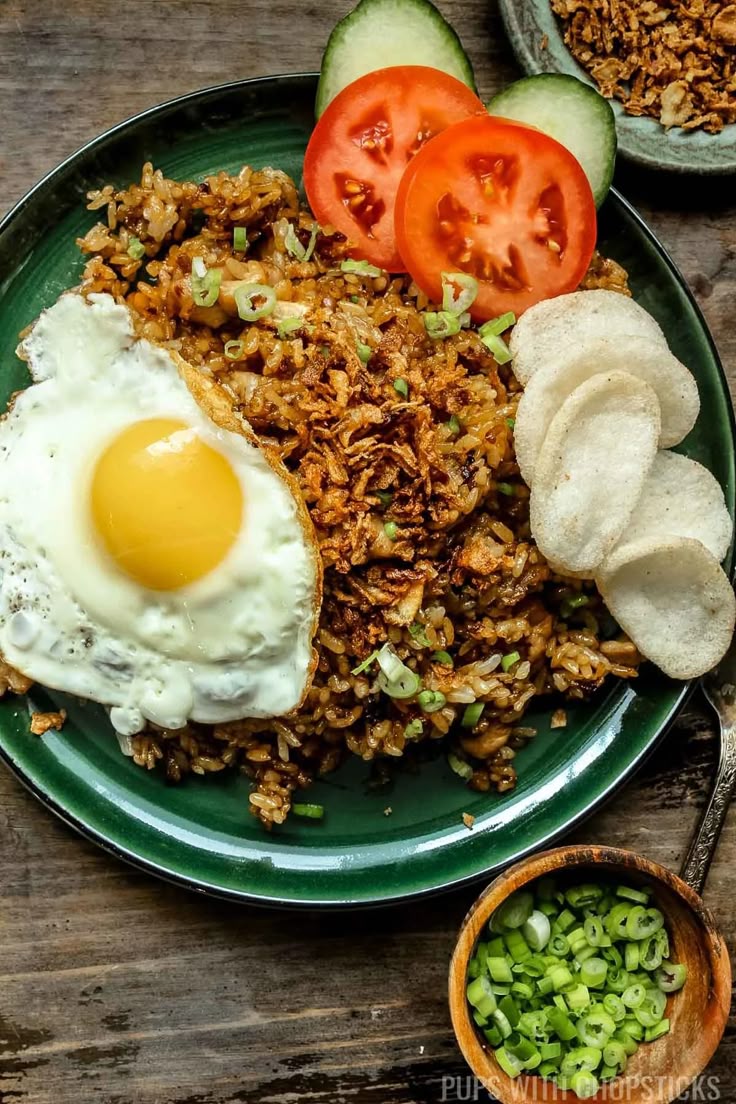
This dish is more than just a meal; it is an expression of Indonesian culinary culture. Traditionally prepared for breakfast, lunch, or dinner, Nasi Goreng showcases Indonesia’s love for bold flavors, communal dining, and creative use of leftovers. Served with a fried egg on top, krupuk (crispy crackers), and garnished with fresh herbs, Nasi Goreng is both visually appealing and deeply satisfying.
Origins and Cultural Significance
Nasi Goreng has ancient roots in Indonesian and Malay culinary traditions. It is believed that fried rice was introduced to Indonesia through Chinese traders, but over time, locals adapted it using indigenous ingredients and cooking techniques. The addition of kecap manis, spices, and regional variations gave it a distinct Indonesian identity.
In Indonesia, Nasi Goreng is more than a dish; it symbolizes hospitality, creativity, and family tradition. It is commonly sold in street stalls (warungs), served in homes during celebrations, and even offered at hotel breakfasts as a representation of authentic Indonesian cuisine. Its wide popularity across different islands of Indonesia, from Java to Sumatra to Bali, highlights its cultural versatility and regional adaptations.
Ingredients for Authentic Indonesian Nasi Goreng
Main Ingredients
- 3 cups cooked rice (preferably a day old for better texture)
- 2 eggs
- 200g chicken breast, diced (optional: shrimp, beef, or tofu)
- 2 cloves garlic, minced
- 2 shallots, finely chopped
- 1–2 red chilies, sliced (adjust to taste)
- 2 tablespoons kecap manis (Indonesian sweet soy sauce)
- 1 tablespoon soy sauce
- 1 teaspoon shrimp paste (terasi) – optional for authentic flavor
- 1/2 cup carrots, diced
- 1/2 cup cabbage or bok choy, chopped
- 2 tablespoons vegetable oil
- Salt and pepper to taste
Garnishes and Accompaniments
- Fried egg (sunny side up)
- Krupuk (Indonesian crackers)
- Sliced cucumber and tomato
- Fresh scallions or fried shallots
- Lime wedges for extra zest
Step-by-Step Preparation
Step 1: Preparing Ingredients
Dice chicken, chop vegetables, and mince garlic and shallots. Have all ingredients ready before starting, as stir-frying requires quick cooking.
Step 2: Cooking Eggs
Heat 1 tablespoon of oil in a wok or large pan over medium heat. Scramble the eggs lightly, then remove and set aside. Alternatively, fry eggs separately for serving on top.
Step 3: Cooking Protein
Add remaining oil to the wok. Stir-fry diced chicken (or shrimp) until cooked through. Season lightly with salt and pepper.
Step 4: Stir-Frying Aromatics
Add garlic, shallots, and chilies to the pan. Stir-fry until fragrant, taking care not to burn the garlic. If using shrimp paste, add it now and cook for 30 seconds.
Step 5: Adding Vegetables
Stir in carrots, cabbage, or other vegetables. Cook for 2–3 minutes until slightly tender but still crisp, preserving texture.
Step 6: Adding Rice
Add day-old rice gradually, breaking up clumps. Stir continuously to combine with the aromatics, protein, and vegetables.
Step 7: Seasoning
Pour in kecap manis, soy sauce, and optional chili sauce. Toss evenly to coat all grains. Adjust salt, pepper, and sweetness according to taste.
Step 8: Adding Eggs Back
Add the scrambled eggs back into the pan. Mix gently to distribute evenly throughout the rice.
Step 9: Plating
Serve hot on a plate or in a bowl. Top with a fried egg (sunny side up), garnish with krupuk, cucumber, tomato slices, scallions, and lime wedges. Optional fried shallots add extra crunch.
Flavor Profile and Texture
Indonesian Nasi Goreng is a harmony of sweet, savory, and spicy flavors. Kecap manis adds a caramelized sweetness that complements the saltiness of soy sauce and the umami from shrimp paste. Fresh chilies provide heat, while vegetables contribute a refreshing crunch. The texture is a delightful mix of soft, slightly chewy rice, tender protein, crisp vegetables, and a runny yolk from the fried egg, creating a perfect balance in every bite.
Health Benefits of Nasi Goreng
- Protein-Rich: Eggs, chicken, shrimp, or tofu provide essential amino acids.
- Vegetable Intake: Carrots, cabbage, and bok choy contribute fiber, vitamins, and minerals.
- Energy Boost: Rice provides complex carbohydrates for sustained energy.
- Healthy Fats: Vegetable oil and eggs provide beneficial fats.
- Customizable: Can be made gluten-free or lower in sodium for healthier versions.
Tips for Perfect Nasi Goreng
- Use day-old rice to prevent mushy texture.
- Cook over high heat for authentic wok flavor and slight smokiness.
- Prepare all ingredients before starting; stir-frying is fast.
- Balance sweet, salty, and spicy flavors carefully.
- Optional: Add a splash of fish sauce for extra umami.
Variations of Nasi Goreng
1. Nasi Goreng Seafood
Includes shrimp, squid, and fish for a coastal flavor.
2. Nasi Goreng Kampung (Village Style)
Made with anchovies, long beans, and sambal (chili paste) for a rustic taste.
3. Vegetarian Nasi Goreng
Omit meat and seafood, and add tofu, tempeh, and more vegetables.
4. Nasi Goreng Spicy
Increase chilies and sambal for a fiery version popular in street food stalls.
5. Fusion Nasi Goreng
Add international ingredients like kimchi, bacon, or cheese for a creative twist.
Serving Suggestions
Serve Indonesian Nasi Goreng with fried eggs, krupuk, fresh cucumber and tomato slices, and lime wedges. Pair with iced tea, tropical fruit juice, or a light beer for a full Indonesian street food experience.
Storage and Reheating
- Store leftovers in an airtight container in the refrigerator for up to 2 days.
- Reheat in a pan with a splash of water or oil to restore moisture.
- Do not overheat in a microwave; it may make rice dry and sticky.
Common Mistakes to Avoid
- Using freshly cooked rice (it becomes mushy).
- Overcooking proteins, making them tough.
- Adding all seasonings at once; balance is key.
- Skipping aromatics like shallots and garlic.
- Stirring too vigorously, which crushes rice grains.
Frequently Asked Questions (FAQs)
1. Can I use Jasmine rice?
Yes, but day-old rice is crucial to prevent clumping and mushiness.
2. Can I make Nasi Goreng vegan?
Omit eggs and replace animal protein with tofu or tempeh. Use soy sauce instead of fish sauce.
3. What is the role of kecap manis?
Kecap manis adds sweetness, umami, and the characteristic dark color to the fried rice.
4. Can I make it spicy?
Yes, increase red chilies or add sambal for authentic street-food heat.
5. Is Nasi Goreng suitable for breakfast?
Absolutely! In Indonesia, it is commonly eaten for breakfast or brunch.