Introduction to Lebanese Fattoush Salad
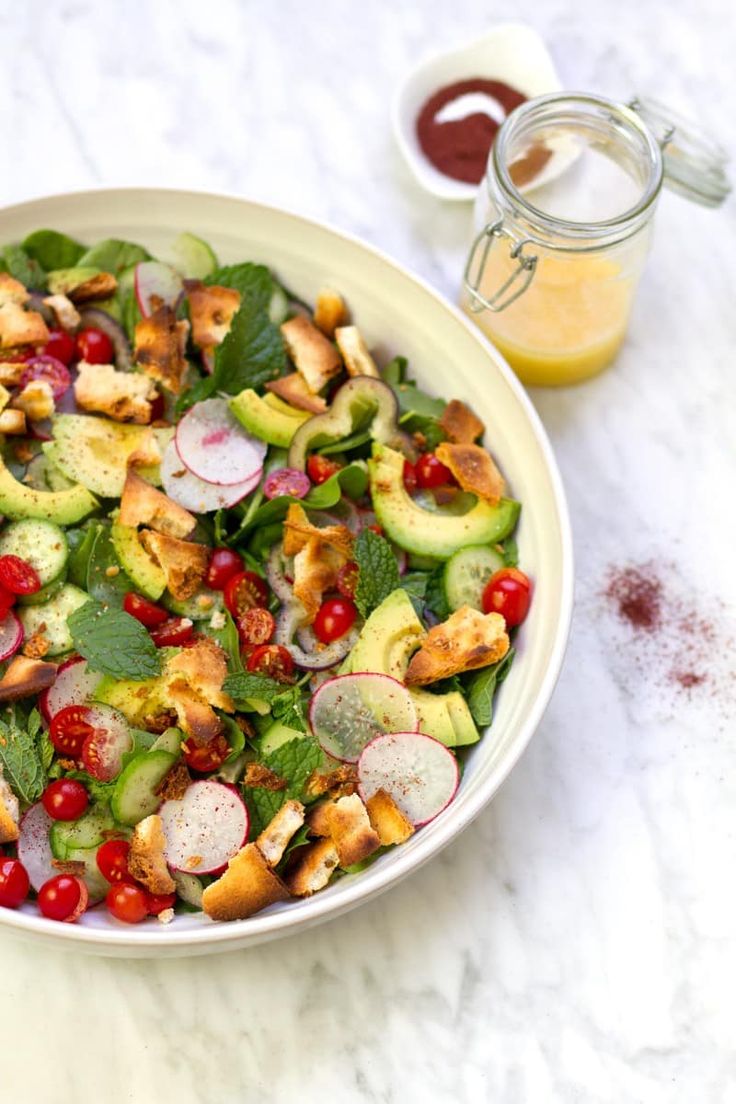
Lebanese Fattoush Salad is a bright, refreshing, and iconic dish from the Levant region. Unlike ordinary salads, fattoush combines fresh garden vegetables with the crunch of toasted or fried pita bread, creating a satisfying balance of textures and flavors. The hallmark of this salad is its tangy dressing, made with lemon juice, olive oil, and the traditional Middle Eastern spice sumac, which adds a subtle citrusy note.
Fattoush is more than a salad; it is a cultural experience, often served as part of a mezze platter, alongside hummus, tabbouleh, baba ghanoush, and other traditional dishes. Its versatility allows it to be served as a side dish, appetizer, or even a light main course for vegetarians or anyone seeking a healthy, flavorful option.
Origins and Cultural Significance
The history of Fattoush is deeply rooted in Lebanese and Levantine traditions. The name “Fattoush” comes from the Arabic word “fatteh,” meaning to crumble or break up, which refers to the method of adding pieces of stale or leftover pita bread to the salad. This clever culinary technique was designed to avoid food waste, transforming day-old bread into a crispy, flavorful component of the dish.
Over centuries, Fattoush became a staple in Lebanese households and street food culture. It is traditionally served during family gatherings, Ramadan iftar meals, and festive occasions, symbolizing freshness, community, and resourcefulness. Its vibrant colors, bold flavors, and mix of textures reflect the Mediterranean approach to eating, which emphasizes fresh produce, olive oil, and herbs.
Ingredients for Authentic Lebanese Fattoush
Fresh Vegetables
- 2 cups romaine lettuce or mixed greens, chopped
- 2 medium tomatoes, diced
- 1 cucumber, peeled and diced
- 1/2 cup radishes, thinly sliced
- 1/4 cup green onions, finely chopped
- 1/4 cup fresh parsley, chopped
- 1/4 cup fresh mint leaves, torn or chopped
- Optional: red or yellow bell peppers for color and sweetness
Crunchy Pita Component
- 2 pita breads, cut into triangles
- Olive oil for brushing or frying (optional)
- Salt for seasoning
Dressing (The Key to Flavor)
- 3 tablespoons extra virgin olive oil
- 2 tablespoons freshly squeezed lemon juice
- 1 teaspoon ground sumac
- 1 clove garlic, minced
- 1 teaspoon pomegranate molasses (optional, for tangy sweetness)
- Salt and freshly ground black pepper to taste
Optional Enhancements
- Pomegranate seeds for a burst of color and flavor
- Sliced olives for a Mediterranean touch
- Grilled halloumi or feta cheese for added protein
Step-by-Step Preparation
Step 1: Preparing the Vegetables
Wash all vegetables thoroughly. Dice tomatoes and cucumbers into small cubes. Slice radishes thinly for crunch. Chop lettuce, parsley, mint, and green onions into bite-sized pieces. Place all vegetables in a large mixing bowl.
Step 2: Toasting the Pita Bread
Cut pita bread into small triangles. For extra crunch, brush lightly with olive oil and toast in a preheated oven at 180°C (350°F) for 5–8 minutes, or until golden brown. Alternatively, shallow fry the triangles in olive oil for a richer taste. Let the pieces cool before adding them to the salad.
Step 3: Preparing the Dressing
In a small bowl, whisk together olive oil, lemon juice, minced garlic, sumac, salt, and pepper. Add pomegranate molasses for a subtle sweetness and extra depth of flavor. Taste and adjust seasoning if needed.
Step 4: Combining the Salad
Pour the dressing over the chopped vegetables and toss gently. Add the toasted pita pieces last to retain their crispiness. Gently fold them into the salad so they absorb some of the dressing but remain crunchy.
Step 5: Garnishing
Sprinkle pomegranate seeds on top for color and sweetness. Add a few whole mint leaves or torn parsley for freshness. Serve immediately for the best taste and texture.
Flavor and Texture Profile
Fattoush salad offers a harmonious combination of flavors and textures. The crisp, refreshing vegetables are balanced by the zesty, tangy dressing. The sumac adds a unique lemony note, while the toasted pita triangles provide crunch. Pomegranate seeds, if used, give occasional bursts of sweetness, making every bite exciting and layered with flavor.
This salad is light yet satisfying, perfect for hot weather or as a starter in a multi-course Mediterranean meal.
Health Benefits of Fattoush
- Rich in Vitamins: The fresh vegetables provide essential vitamins A, C, and K.
- High in Fiber: Lettuce, cucumbers, and radishes help with digestion.
- Heart-Healthy Fats: Olive oil contains monounsaturated fats that support heart health.
- Low-Calorie: Ideal for a light, nutritious meal without excessive calories.
- Antioxidants: Pomegranate and sumac provide antioxidants for cellular protection.
Tips for Perfect Fattoush Salad
- Use fresh, crisp vegetables for the best flavor and texture.
- Toast or fry pita bread just before serving to maintain crunch.
- Make the dressing fresh to preserve the bright flavors.
- Sumac is essential—don’t substitute it with lemon alone.
- Serve immediately after combining to prevent the pita from becoming soggy.
Variations of Fattoush Salad
1. Protein-Enhanced Fattoush
Add grilled chicken, shrimp, or chickpeas for a heartier meal. The protein complements the fresh vegetables and crunchy bread.
2. Mediterranean Fattoush
Include feta or halloumi cheese, olives, and sun-dried tomatoes for a Mediterranean twist.
3. Vegan Fattoush
Ensure the pita bread is vegan-friendly and avoid cheese. Add avocado for creaminess.
4. Seasonal Fattoush
Include seasonal vegetables such as bell peppers, carrots, or cucumbers for variety.
Serving Suggestions
Fattoush pairs beautifully with hummus, baba ghanoush, grilled kebabs, or falafel. It can be served as an appetizer, side dish, or even as a light lunch. Garnish with extra sumac or a drizzle of olive oil just before serving for visual appeal.
Storage and Reheating
- Best served fresh; do not let the salad sit for too long, as the bread becomes soggy.
- If storing leftovers, keep the pita separate from vegetables and dressing.
- Vegetables can be stored in the refrigerator for up to 2 days, but the salad is at its peak freshness when served immediately.
Common Mistakes to Avoid
- Using stale or soggy vegetables.
- Overdressing the salad, which can make the pita soft and unappealing.
- Skipping sumac, which is essential for authentic flavor.
- Adding the pita too early—always add it last to maintain crunch.
Frequently Asked Questions (FAQs)
1. Can I make Fattoush ahead of time?
It is best served fresh. If needed, prepare vegetables and dressing separately and combine just before serving.
2. What can substitute sumac?
Lemon zest or lemon juice can be a minor substitute, but sumac provides the authentic flavor.
3. Can I bake pita instead of frying?
Yes, baking in the oven is healthier and still gives a crunchy texture.
4. Is Fattoush gluten-free?
Traditional pita contains gluten, but gluten-free pita or flatbreads can be used as an alternative.
5. Can I make Fattoush vegan?
Yes, simply ensure the pita bread is vegan and avoid any cheese additions.